
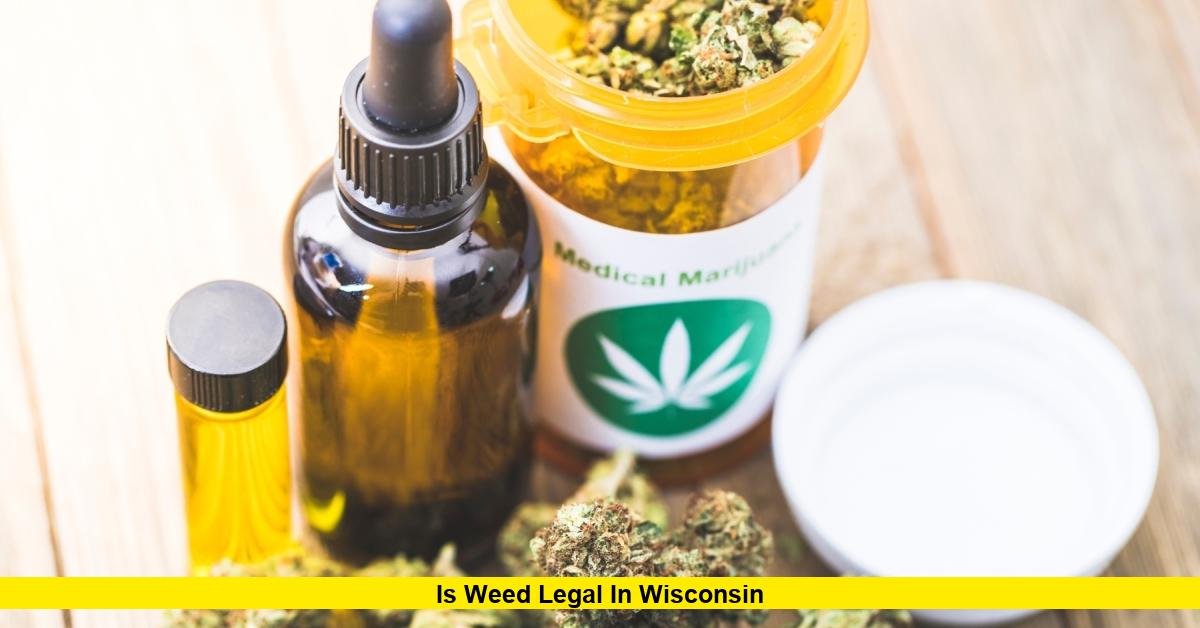
The question many residents continue to ask is simple: is weed legal in Wisconsin right now? As of 2026, marijuana remains illegal for recreational use across the state, and broad legalization has not been enacted. However, new legislative proposals, debates over medical cannabis, and the rise of hemp-derived THC products are keeping the issue at the center of political and public conversation.
Wisconsin stands out in the Midwest because neighboring states — including Illinois, Michigan, and Minnesota — allow adult-use cannabis, while Wisconsin still prohibits possession and use under state law. This gap has intensified pressure on lawmakers as cross-border purchasing and policy discussions increase.
Curious about how these rules could affect you or change soon? Keep reading for a clear breakdown of the current laws and the policy shifts shaping the future.
Current Marijuana Status in Wisconsin (2026)
Cannabis that contains more than 0.3% THC remains illegal under Wisconsin state law. That means recreational possession, cultivation, sale, and use are still prohibited.
A first offense for possession can lead to fines and possible jail time, while repeat offenses may be treated as felonies with more serious penalties. State law also criminalizes distribution, manufacturing, and intent to sell.
Wisconsin is one of the few remaining states without a comprehensive medical marijuana program or adult-use legalization framework. This places it behind most U.S. states, where medical access is widely allowed and many have legalized recreational use.
At the same time, enforcement and penalties can vary because some local municipalities have reduced penalties for small amounts, often issuing civil fines rather than criminal charges.
Hemp-Derived THC and the Legal Gray Area
Although marijuana remains illegal, hemp-derived products are widely sold in Wisconsin due to federal rules allowing hemp with less than 0.3% delta-9 THC.
This has created a growing market for products such as:
- Delta-8 THC
- THC-A products
- Other hemp-derived cannabinoids
These products can produce effects similar to cannabis but fall within federal hemp guidelines, allowing businesses to sell them legally.
Retailers across Wisconsin have expanded rapidly using this loophole. However, business owners and policymakers are watching federal and state changes closely because potential rule updates could reshape the market.
Medical Marijuana: Limited and Still Evolving
Wisconsin does not have a full medical marijuana program as seen in most states.
Instead, the state has a very limited cannabidiol (CBD) law. Certain patients may possess CBD products that contain little or no psychoactive THC, but this does not provide access to traditional medical cannabis products.
In 2026, lawmakers have continued to debate medical marijuana proposals. A bill recently moved forward in the state Senate aimed at creating a medical cannabis program, though its final path remains uncertain.
Some proposals are restrictive, focusing on patients with serious illnesses and limiting product types or distribution systems.
New Legislative Efforts in 2026
Policy activity around cannabis has accelerated in 2026.
Recent efforts include:
- A Senate-approved medical marijuana proposal
- Bipartisan discussions on decriminalizing first-time possession
- New legalization proposals from Democratic lawmakers
- Ongoing debate over regulation and taxation
Some legalization plans outline possession limits, licensing systems, and the creation of a cannabis regulatory division.
However, none of these proposals have yet resulted in statewide legalization. Any major change would require approval by both legislative chambers and the governor.
Local Decriminalization Across Cities
Even though state law prohibits marijuana, several Wisconsin cities have reduced penalties for small amounts.
Local ordinances in some communities allow possession of limited quantities to be handled with:
- Civil citations
- Reduced fines
- Lower enforcement priority
This means real-world consequences can vary depending on where someone is located within the state.
Still, these local policies do not make marijuana legal — state law continues to prohibit it.
Why Wisconsin Has Not Legalized Yet
Several factors explain why legalization has not passed:
Political division
Lawmakers remain split on recreational legalization, with some supporting only limited medical access.
Legislative structure
Wisconsin does not allow citizen-initiated ballot measures for statewide laws, meaning legalization must pass through the legislature.
Debate over regulation models
Disagreements exist on whether cannabis should be privately sold, state-run, highly restricted, or broadly available.
These factors have slowed progress compared with other states.
Regional Pressure From Neighboring States
The Midwest landscape is changing quickly, increasing pressure on Wisconsin.
Residents can legally purchase cannabis in nearby states and travel home, though bringing marijuana back into Wisconsin remains illegal.
This regional contrast has fueled debate around:
- Lost tax revenue
- Economic competition
- Enforcement challenges
- Public opinion trends
Many policymakers cite cross-border spending as a major policy driver.
Federal Changes and Their Impact
At the national level, marijuana policy is shifting.
Federal officials began a process to move cannabis from the most restrictive drug classification to a less restrictive category, which could expand research and industry access.
However, federal changes do not automatically legalize cannabis in Wisconsin. State law determines legality for possession and use.
Still, federal policy shifts can influence state debates and future legislation.
Public Opinion and Economic Arguments
Support for legalization has grown steadily among Wisconsin residents.
Arguments frequently raised in policy discussions include:
- Potential tax revenue
- Job creation
- Criminal justice reform
- Regulation of existing hemp markets
- Alignment with neighboring states
Opponents often emphasize public health concerns, regulatory complexity, and cautious medical-only approaches.
These competing views continue to shape legislative negotiations.
What Happens Next
The cannabis debate in Wisconsin is active in 2026, but no broad legalization has taken effect.
Possible next steps include:
- Passage of a limited medical marijuana law
- Decriminalization measures
- Continued legalization proposals
- Regulation changes affecting hemp-derived THC
Major policy change is possible, but it depends on legislative consensus.
For now, the legal answer to is weed legal in Wisconsin remains clear: recreational marijuana is illegal, medical access is extremely limited, and lawmakers are still debating broader reform.
If you live in Wisconsin or travel there, understanding these rules is important because penalties still apply under state law.
Policy discussions are expected to continue throughout 2026, meaning residents should watch for legislative developments that could reshape access, enforcement, and the cannabis market.
What do you think about Wisconsin’s cannabis laws — should the state change course or keep its current approach? Share your thoughts and check back for updates.

